Category Archives: Services

Best Mobile Development Choice: React Native with Expo or Emulator?

Choosing the best development workflow is crucial when building mobile applications. Developers often compare two primary approaches: using React Native with Expo or relying heavily on mobile emulators. While both methods serve important roles, Expo provides a faster, smoother, and more flexible development environment, especially for beginners and teams seeking rapid development. Continue reading

React Native and Expo Guide for Fast Modern Mobile App Development

React Native and Expo have emerged as leading solutions for modern cross-platform mobile app development. They enable developers to build high-quality iOS and Android applications using a single JavaScript or TypeScript codebase. This significantly reduces development time, effort, and cost. Combined with Expo’s powerful toolkit, developers can enjoy faster builds, smoother debugging, simplified deployment, and access to a rich ecosystem of APIs and ready-to-use components. Continue reading

Next.js Components: Build Reusable UI for High-Performance Web Applications

In Next.js, components are the building blocks of your web application. They allow developers to create reusable, modular pieces of UI that can be easily managed and updated. Components can range from a simple button to a complex navigation menu or a fully functional form. By using components, Next.js applications remain scalable, maintainable, and organized.

List of Common Next.js Components and Their Uses

1. <Image /> Component

Use: Optimizes images automatically for faster loading and better performance.
Features:

  • Automatic resizing and compression

  • Lazy loading by default

  • Supports modern formats (WebP)

  • Improves SEO and page speed

Example Use:

Continue reading

Next.js vs Nuxt.js: Choosing the Best Framework for Web Apps

When it comes to building modern, high-performance web applications, Next.js and Nuxt.js are two leading frameworks in the JavaScript ecosystem. Both extend the capabilities of their respective front-end libraries—React for Next.js and Vue.js for Nuxt.js—by providing server-side rendering, static site generation, and powerful optimizations. Choosing the right framework depends on your team’s expertise, project requirements, and long-term goals.

What is Next.js?

Next.js is a React-based framework that offers server-side rendering (SSR), static site generation (SSG), file-based routing, API routes, and automatic performance optimization. It is widely used by companies for SEO-friendly, scalable web applications and SaaS platforms.

What is Nuxt.js?

Nuxt.js is a Vue-based framework that brings similar features to Vue applications. It includes SSR, SSG, modular architecture, and built-in SEO optimization. Nuxt is popular among developers who prefer Vue’s simplicity and flexibility for building modern web apps.

Next.js vs Nuxt.js — Key Differences

1. Base Library

  • Next.js: Built on React.js

  • Nuxt.js: Built on Vue.js

2. Rendering Options

  • Next.js: Supports SSR, SSG, ISR, and CSR

  • Nuxt.js: Supports SSR, SSG, CSR, and Static site generation (Nuxt Generate)

Continue reading

Next.js vs React: Discover the Smarter Choice for Web Development

When it comes to building fast, modern, and scalable web applications, Next.js and React.js are two names developers rely on. While React laid the foundation for component-based UI development, Next.js took things further by transforming React into a complete production-ready framework. Understanding how these two technologies differ can help you make a smart and future-proof choice for your next project.

What Is React.js?

React.js is a powerful JavaScript library designed to build dynamic user interfaces. It offers unmatched flexibility, reusable components, and strong community support. However, React focuses mainly on the UI layer—meaning you must configure routing, SEO, and rendering strategies manually or with external tools.

What Is Next.js?

Next.js is a higher-level framework built on React that includes everything needed for modern development: routing, server-side rendering, SEO optimization, API routes, image optimization, and more. It removes complexity and speeds up development, all while improving app performance.

Continue reading

Why Next.js Is the Best Framework for Modern Web Development

Next.js has become one of the most popular and trusted frameworks for building modern, high-performance web applications. Built on top of React, Next.js combines the power of server-side rendering, static site generation, API routes, and advanced optimization features—making it a preferred choice for developers and businesses worldwide. While many JavaScript frameworks exist, Next.js brings unmatched flexibility, speed, SEO benefits, and production-ready features that make it stand out from the rest.

Below are the major reasons why Next.js is considered superior and why developers choose it over other frameworks like React-only setups, Angular, Vue, or traditional SPA-based applications.

Why Choose Next.js Instead of Other Frameworks

1. Server-Side Rendering (SSR) for Faster Loading

Next.js provides built-in server-side rendering that improves page speed, performance, and user experience—something traditional React apps don’t provide out of the box.

2. SEO Optimization

Since Next.js renders content on the server before sending it to the browser, search engines can easily crawl and index pages.
This gives:

  • Higher rankings

  • Better organic visibility

  • Improved click-through rates

Continue reading

Top Benefits of Using React Native for Modern Mobile App Development

React Native has emerged as one of the most trusted and widely used frameworks for building high-performance mobile apps. Developed by Meta (Facebook), this powerful technology allows developers to create Android and iOS applications using a single JavaScript codebase. Businesses worldwide prefer React Native because it reduces development time, simplifies maintenance, and still offers the exceptional performance and UI quality of native applications.

By combining native components with JavaScript logic, React Native ensures apps feel responsive, fast, and highly interactive. The framework is supported by a massive community, a rich ecosystem of libraries, and continuous improvements that make it future-ready. Whether you’re building e-commerce, healthcare, finance, or on-demand apps, React Native provides all the tools necessary to deliver a seamless mobile experience.

Below are the major benefits that make React Native a top choice for modern mobile app development:

Major Benefits of Using React Native for Mobile App Development

1. Cross-Platform Development from a Single Codebase

React Native allows developers to use one codebase for both Android and iOS.
This saves:

  • Time

  • Resources

  • Team size

  • Development cost
    Businesses can launch apps faster and update them easily.

2. Native-Like Performance and Smooth User Experience

Unlike older hybrid frameworks, React Native uses real native components.
This ensures:

    • Fast loading times

    • Smooth animations

    • High FPS performance

    • Better UI responsiveness
      It delivers an experience close to fully native apps.

Continue reading

Mobile-app-development-with-react-native

Fast and Scalable Mobile App Development with React Native

React Native has revolutionized mobile app development by allowing businesses to build high-quality apps for both Android and iOS using a single codebase. Developed by Facebook, React Native combines JavaScript with native components to deliver fast, smooth, and powerful applications. Its cross-platform approach drastically reduces development time and cost while maintaining native performance, making it a top choice for modern businesses.

Continue reading

Custom API Development to Connect Your Apps Effortlessly

Using strong frameworks like Django and Laravel, we at Code Artisan Lab specialize in providing scalable and reliable API development services. Our skilled engineers provide clean, safe, and high-performing APIs that are suited to your company’s requirements, whether you require RESTful APIs for your web or mobile applications, smooth connection with other services, or specialized backend solutions.

A Step-by-Step Guide to API Development

We create APIs that guarantee seamless data transfer between your frontend and backend systems by utilizing the versatility of Django and the attractive syntax of Laravel. Because of the scalability, security, and dependability of our APIs, your apps may expand with ease and still function at their best. To strengthen your digital environment, we cover everything from data management and authentication to real-time features and intricate business logic.

Custom Mobile App Development to Grow Your Business

Our end-to-end mobile app development services at Code Artisan Lab are intended to help you realize your ideas on the iOS and Android operating systems. We create quick, feature-rich, and responsive mobile apps with a single codebase using React Native, which saves money and time while guaranteeing consistency across devices. On the backend, we use the potent combination of PostgreSQL and Python Django to build server-side solutions that are safe, scalable, and fast, supporting the functionality of your app.

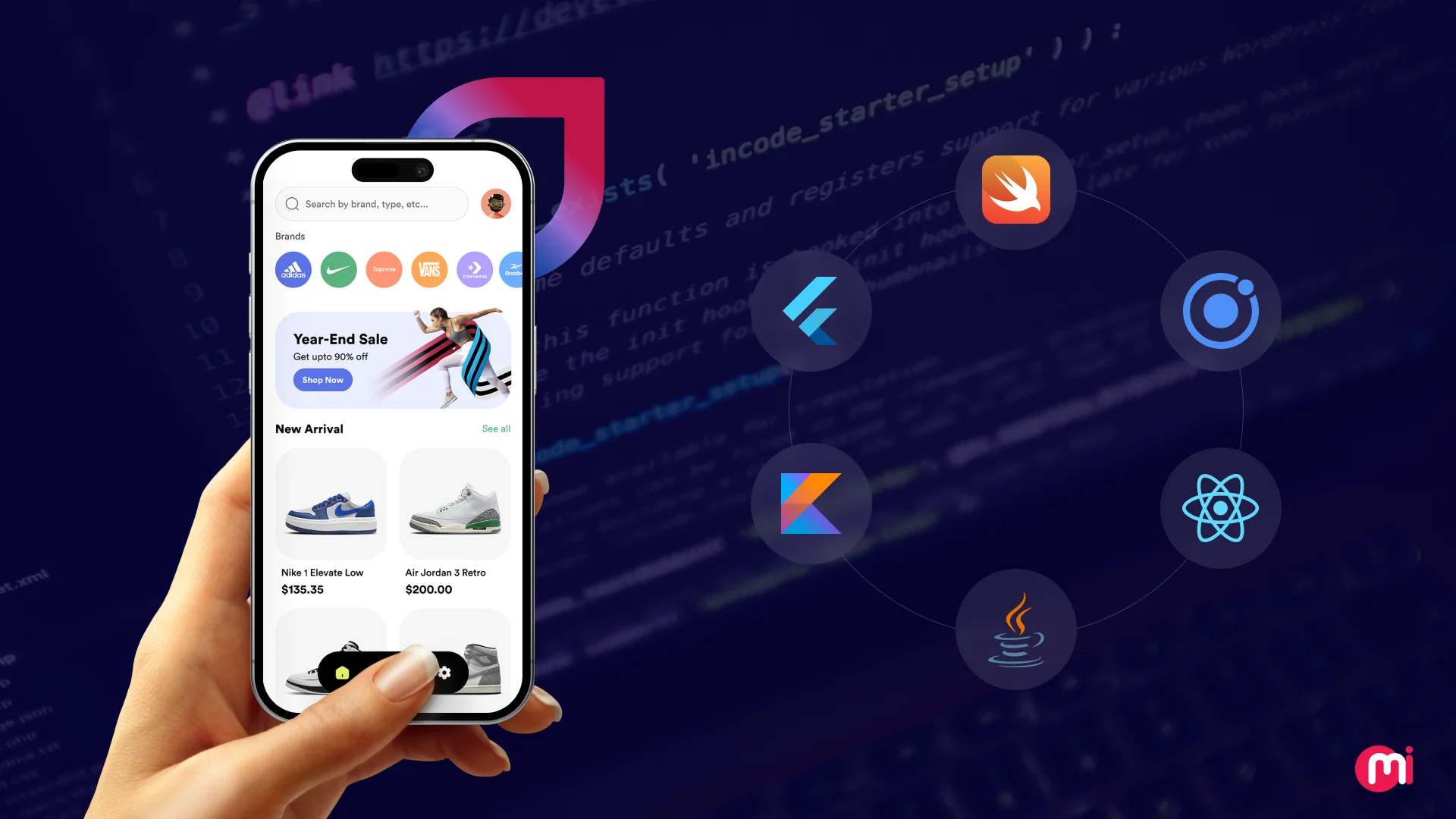
Choosing Tech Stack For Mobile App Development: A Comprehensive Guide

We manage every aspect from conception to implementation, including database architecture, testing, post-launch maintenance, UI/UX design, and API integration. Whether you are creating a business tool, a customer-facing software, or an MVP for your startup, our team makes sure your app satisfies the highest technological requirements and offers a seamless, captivating user experience. You may acquire mobile apps from Code Artisan Lab that are not only aesthetically pleasing but also designed to evolve with your company.